Source Reciprocating Bus Wash Equipment for Trucks, Buses, Containers
Find 30 Reciprocating Bus Wash Equipment units with varying specifications for container trucks, box trucks, and buses. Compare features like water consumption, power requirements, and cleaning processes from verified Chinese manufacturers.
Key considerations
Products List


Electric Bus Wash Equipment Bus Cleaning Machine with High Pressure Water
$7500.00 - $8000.00
MOQ: 1 Unit


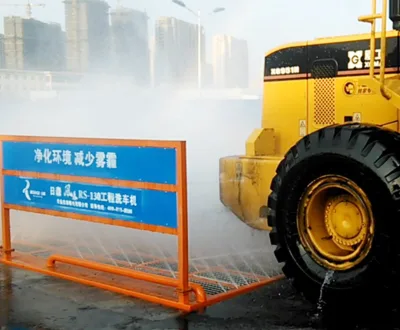
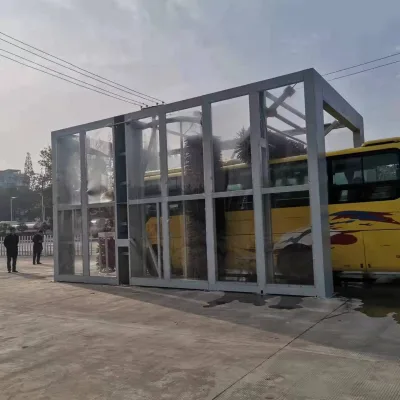
Heavy Duty Automatic Bus Wash Equipment for Coaches and Commercial Vehicles
$41800.00 - $42000.00
MOQ: 1 UNIT

High Efficiency Automatic Bus Wash Equipment with Foam Spray and Water Recycling
$41800.00 - $42000.00
MOQ: 1 UNIT




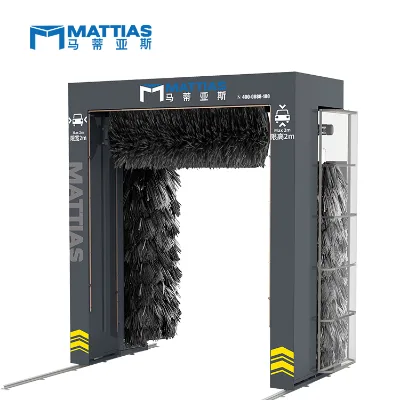

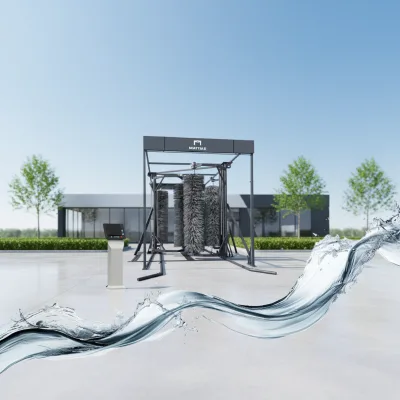
Bus Wash Equipment with Rollover 3 Brushes 2, 8m Longevity Guaranteed
$31000.00 - $34000.00
MOQ: 1 Pieces


Comprehensive Sourcing Guide
Strategic Sourcing Guide for Reciprocating Bus Wash Equipment
Understanding Reciprocating Bus Wash Technology and Core Specifications
Reciprocating Bus Wash Equipment represents a specialized category of industrial cleaning machinery designed for high-volume transit fleets. Unlike tunnel wash systems, reciprocating units utilize moving brush assemblies that traverse the vehicle's length and width to ensure comprehensive coverage. When evaluating potential procurement options, buyers must first establish a clear understanding of the mechanical architecture. The core mechanism typically involves a combination of vertical and horizontal brush sets. Observed configurations in the market often include four sets of long vertical brushes paired with a single set of horizontal brushes. This arrangement allows the machine to adapt to the varying profiles of large vehicles, such as container trucks, box trucks, and buses, which are the primary targets for this equipment class.
The physical dimensions of the washing bay are critical for operational efficiency. The equipment must accommodate the maximum dimensions of the fleet it serves. Specific models in the current market are engineered to handle vehicles with dimensions reaching up to 24,000 mm in length, 2,600 mm in width, and 4,200 mm in height. The operational footprint of the machine itself is equally significant. Buyers should verify that the available space can support the moving range of the reciprocating arms, which can extend up to 24,000 mm by 6,800 mm, while the assembling range may require up to 32,000 mm by 6,800 mm. The structural integrity of the frame is paramount; stainless steel is the preferred material for the frame to withstand constant exposure to water, cleaning agents, and the corrosive environment of a washing bay.
Power requirements for these systems are substantial and must align with the facility's electrical infrastructure. Standard industrial power inputs for reciprocating bus washers typically operate on AC380V at 50Hz or 60Hz. Some specialized units may feature electric motors, such as a 1.2 Kw intelligent motor for brush operation, ensuring consistent torque and speed control. The water supply system is another critical technical parameter. A reliable water flow rate of more than 120 liters per minute is necessary to maintain effective cleaning pressure. The water supply connection is generally standardized at DN25mm, and the system often integrates a flushing pressure capability ranging between 50 and 100 kg. Water consumption per wash cycle is a key efficiency metric, with observed ranges varying from 220 to 500 liters per set, depending on the specific model and cleaning intensity settings.
Compliance, Certification, and Regulatory Standards
Navigating the regulatory landscape is a non-negotiable aspect of sourcing industrial washing equipment. Buyers must verify that the equipment meets the safety and environmental standards of their local jurisdiction. The market data indicates a prevalence of CE certification, which is essential for equipment operating within European markets and is often adopted as a baseline for global safety standards. Furthermore, advanced models may carry a broader suite of certifications including RoHS, GS, UR, ETL, and CB. These certifications cover electrical safety, material restrictions regarding hazardous substances, and general product safety.
Environmental compliance is increasingly important in fleet management. Buyers should look for equipment that incorporates features such as rust and corrosion inhibitors, which not only protect the vehicle but also reduce the environmental impact of runoff water. The cleaning process itself is often categorized as cold water cleaning, which reduces energy consumption associated with heating water, though this may require specific detergents to be effective. The equipment's electrical components must adhere to strict safety protocols, often reflected in certifications like EEC or ETL.
When evaluating suppliers, it is crucial to request documentation proving these certifications. The presence of a CE mark alone does not guarantee compliance with local regulations in all regions; for instance, equipment destined for the United States may require UL or ETL certification. Similarly, European operations must ensure compliance with the Machinery Directive. The standard dimensions provided in product listings, such as 935036603000 mm or 160013003100 mm, serve as reference points for installation planning but do not constitute a universal standard. Buyers must verify that the specific model they select complies with the electrical and mechanical standards of their specific location.
Cost Drivers and Financial Considerations
The total cost of ownership for Reciprocating Bus Wash Equipment extends far beyond the initial purchase price. While observed price ranges in the market can vary significantly, from nominal values to over $45,000, the final cost is heavily influenced by customization, material quality, and the complexity of the automation system. The use of stainless steel for the frame and high-grade components for the brush motors drives up the initial capital expenditure but offers long-term durability.
Customization is a primary cost driver. Many suppliers offer available customization options to tailor the machine to specific fleet requirements, such as adjusting the moving range or brush configuration. These bespoke features can increase the unit price but are often necessary for optimal performance. Additionally, the packaging method, typically a wooden case or seaworthy package, adds to the logistics cost, especially for international shipments originating from manufacturing hubs in China, such as Shandong or Qingdao.
Operational costs are another critical factor. The power consumption of the system, which can be as low as 0.59 kWh per car for efficient models, directly impacts the monthly utility bill. Water and shampoo consumption are also variable costs. Shampoo usage is typically measured in milliliters per wash, with observed rates between 25 and 30 ml per vehicle. Water consumption, ranging from 220 to 500 liters per set, represents a significant recurring expense. Buyers should calculate the cost per wash based on their local utility rates and detergent costs to determine the true economic viability of the equipment. The washing time, typically 12 to 15 cars per hour, also influences the throughput and potential revenue generation for a commercial car wash facility.
Typical Applications and Operational Scenarios
Reciprocating Bus Wash Equipment is designed for high-throughput environments where vehicle volume is high and consistency is key. The primary application is for public transit agencies managing large fleets of buses. The ability to handle vehicles up to 24 meters in length makes these systems ideal for city transit operations. Beyond buses, the equipment is versatile enough to handle container trucks and box trucks, making it suitable for logistics companies and fleet maintenance depots.
The washing method employed is typically a single rollover process, where the vehicle moves through the station while the brushes reciprocate. This method ensures that all surfaces, including the roof, sides, and front, are cleaned without the need for manual intervention. The system's capability to perform micro high-pressure water cleaning and polishing wax functions adds value by providing a dual-purpose service. This allows operators to offer a premium wash that includes a protective wax coating, enhancing the aesthetic appeal and longevity of the vehicle's paintwork.
The operational environment must be carefully prepared to support the equipment. The ground flatness is a critical requirement, with deviations needing to be less than 10 mm to ensure smooth vehicle movement and prevent mechanical stress on the brushes. The water tank capacity, which can be as large as 700 liters in some configurations, ensures a steady supply of water for continuous operation. Battery capacity, such as a 48V 65ah unit, may be utilized for specific mobile or semi-mobile applications, though most large-scale installations rely on direct grid power. The condition of the equipment, typically listed as "New," suggests that buyers should expect modern technology with minimal wear, but verification of the manufacturing date and storage conditions is advisable.
Supplier Evaluation and Quality Control Protocols
Selecting a reliable supplier is as important as selecting the right machine. Buyers should prioritize suppliers who can provide transparent documentation regarding the origin of the equipment. Manufacturing locations in China, specifically in provinces like Shandong and Qingdao, are common hubs for this type of industrial machinery. However, the origin alone does not guarantee quality. Buyers must evaluate the supplier's track record, production capacity, and after-sales support network.
Quality control should be integrated into the procurement process. Buyers should request detailed specifications on the materials used, particularly the stainless steel grade for the frame and the durability of the brush materials. The condition of the product, listed as "New," should be verified through factory inspection reports or third-party quality audits. It is essential to confirm that the equipment meets the stated standards, such as the 360016001300 cm standard or the 160013003100 / 4200 mm dimensions, and that these are not merely marketing claims but verified physical attributes.
Communication regarding the packing and shipping process is vital. The use of seaworthy cases or wooden cases indicates a commitment to protecting the equipment during transit. Buyers should verify the packaging specifications to ensure that the machine arrives in pristine condition. Additionally, the supplier's ability to provide technical support for installation and maintenance is a key differentiator. A supplier that offers comprehensive training and spare parts availability will reduce downtime and ensure the longevity of the investment.
Long-Term Procurement and Maintenance Strategy
Procuring Reciprocating Bus Wash Equipment is a long-term investment that requires a strategic approach to maintenance and lifecycle management. The initial purchase is just the beginning; ongoing costs for parts replacement, energy, water, and detergents must be factored into the budget. The intelligent motor technology, such as the 1.2 Kw unit, suggests a focus on efficiency and reduced wear, but regular maintenance schedules are still necessary to maintain peak performance.
Buyers should establish a relationship with the supplier that includes access to a supply chain for spare parts. The reciprocating mechanism involves moving parts that are subject to wear and tear, and the availability of replacement brushes, motors, and seals is crucial. The equipment's design, with features like rust and corrosion inhibitors, helps mitigate degradation, but proactive maintenance is still required.
Furthermore, the flexibility of the system to adapt to future needs is a key consideration. As fleet sizes grow or vehicle dimensions change, the ability to customize the equipment becomes valuable. Buyers should negotiate contracts that allow for future upgrades or modifications. The washing time and throughput capabilities should be monitored regularly to ensure they remain within the expected 12 to 15 cars per hour range. Any deviation may indicate a need for maintenance or adjustment. By adopting a comprehensive long-term strategy, buyers can maximize the return on investment and ensure that their fleet maintenance operations remain efficient and cost-effective.
FAQs
What certifications do Reciprocating Bus Wash Equipment units typically have?
Units typically carry CE certification, with advanced models including RoHS, GS, UR, ETL, and CB marks. These certifications ensure compliance with electrical safety and environmental standards for global operations.
How much water does a reciprocating bus wash system consume per cycle?
Water consumption ranges from 220 to 500 liters per set depending on the specific model and cleaning intensity. This metric is critical for calculating operational costs and water supply requirements.
Which vehicle dimensions can Reciprocating Bus Wash Equipment accommodate?
The equipment handles vehicles up to 24,000 mm in length, 2,600 mm in width, and 4,200 mm in height. This capacity supports container trucks, box trucks, and large buses effectively.
Can Reciprocating Bus Wash Equipment be customized for specific fleet needs?
Yes, customization is available to tailor the machine to specific fleet requirements such as moving range or brush configuration. This allows operators to adapt the system for optimal performance in unique environments.
What power requirements are standard for reciprocating bus wash machines?
Standard power requirements are AC380V at 50Hz or 60Hz to ensure compatibility with industrial electrical infrastructure. Some units feature a 1.2 Kw intelligent motor for consistent brush operation and torque control.
What material is used for the frame of Reciprocating Bus Wash Equipment?
The frame is constructed from stainless steel to withstand constant exposure to water and cleaning agents. This material choice ensures durability and resistance to rust and corrosion in harsh washing bay environments.